
In many organizations, nobody but the retiring developer really knows what their code does today. The practical fix is to document the system the way it actually behaves, at portfolio scale, while that developer is still there to review it. That is what a CoderFlow documentation engagement is built to do.
The Retirement Wave Is Personal
Ask whether your COBOL, PowerBuilder, Visual FoxPro or Progress OpenEdge system is documented, and the honest answer is often: not really. Inside your organization, the skills gap is one person, with one retirement date, who understands business logic nobody else ever needed to learn.
What "Nobody Knows What This Code Does" Costs
- Futurization projects stall in discovery, because establishing what an application does today can take months.
- New people ramp up slowly on a system with no map.
- Maintenance gets riskier. One undocumented edge case can turn a routine change into an incident.
Why the Obvious Fixes Rarely Hold Up
Wikis, runbooks and a knowledge transfer session all hit the same limit: capacity, not effort. A busy team cannot hand-document hundreds of programs, and a two-week handoff can't transfer a twenty-year career.
A Documentation Service Built for Scale
In a managed documentation engagement, Profound Logic configures CoderFlow inside your own environment, runs analysis across your application portfolio and delivers a documentation package your developers review, correct and build on.
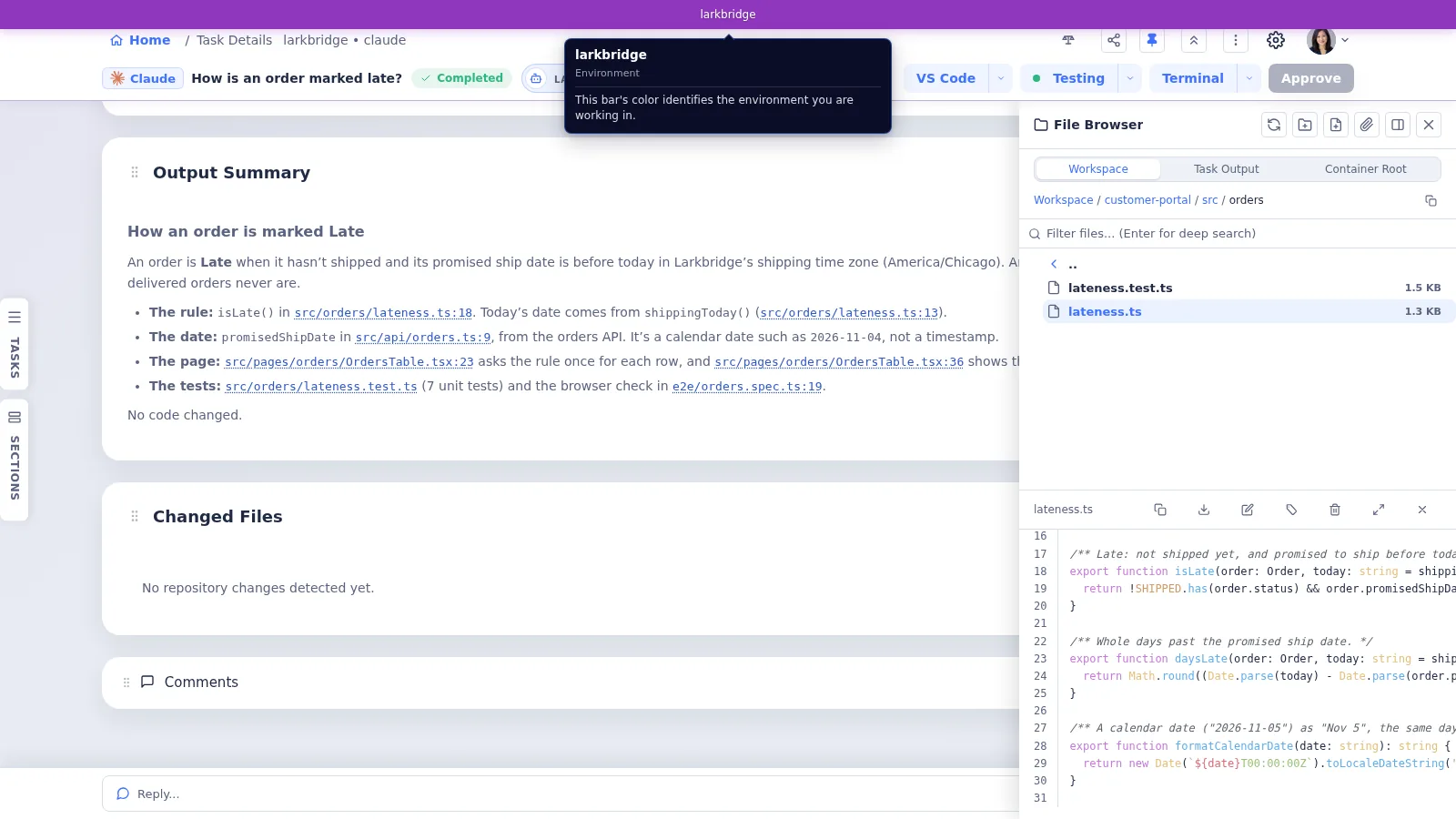
This is not a static scanner guessing at intent. Where access and your toolchain allow, agents build programs, query database schemas and inspect how programs actually behave, across many programs at once. Learn more about documentation and system knowledge.
What the Documentation Covers
The output has two layers, because not everyone is asking the same question.
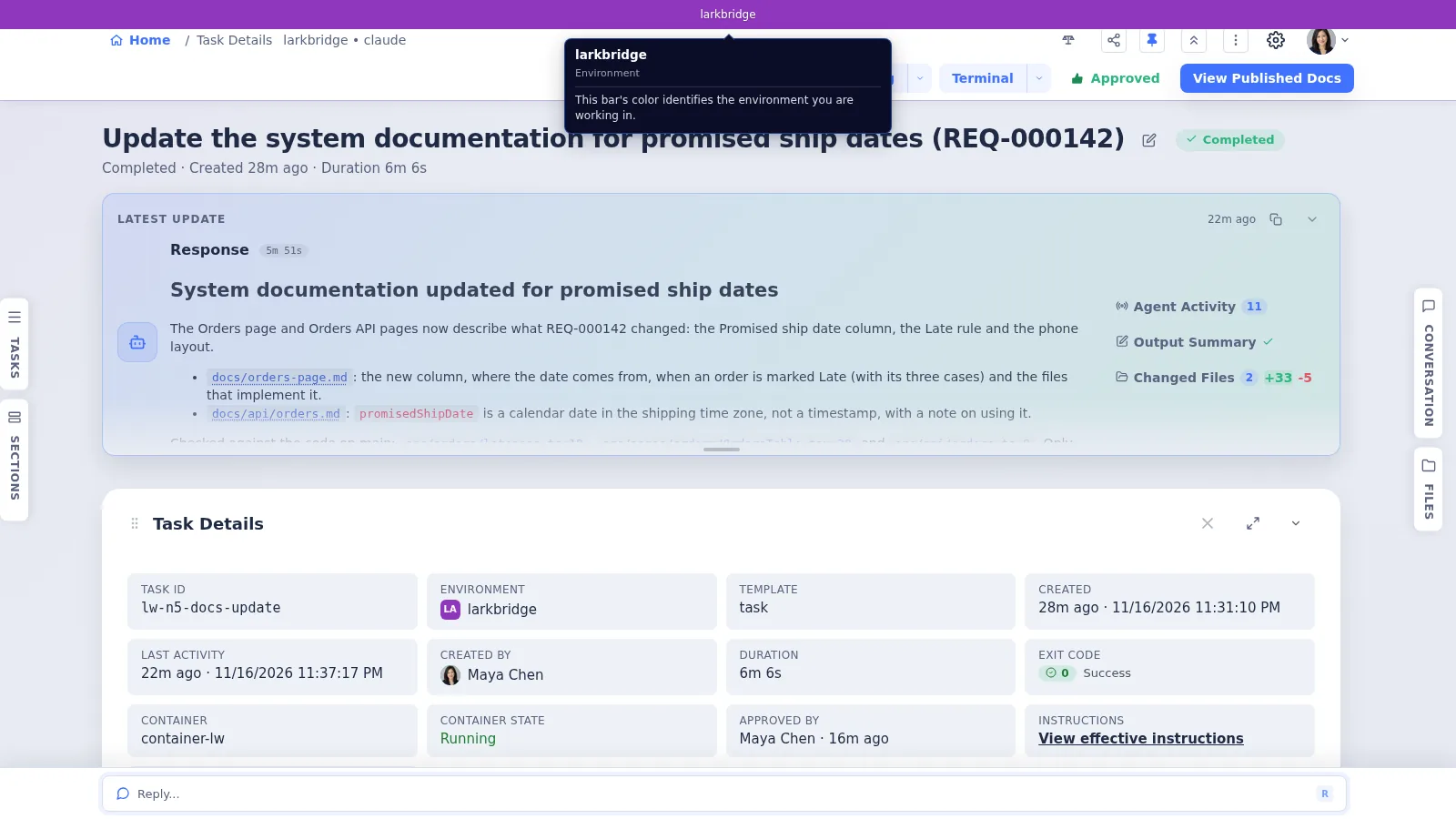
- Technical documentation: each program's purpose, key logic paths, data structures, dependencies and edge cases.
- Business-facing documentation: what a program does and how it supports everyday processes, for people who don't read code.
Your developers then review and extend the output. That review is where knowledge that exists only in conversation becomes something the organization owns.
The First Step Toward Something Bigger
You cannot futurize what you cannot describe. A current baseline lets you plan with confidence and get new people productive against a real map; see how this applies on the systems pages.
If a senior developer is nearing retirement, talk now rather than after the departure date. Talk to sales or start with a Reimagine engagement.
Questions
How Do You Capture Tribal Knowledge Before a Veteran Developer Retires?
CoderFlow agents analyze programs, data structures and dependencies and write technical and business-facing documentation while the veteran can still review and correct it. CoderFlow skills and per-environment memory files then keep that knowledge available to every future agent task.
Can CoderFlow Generate Documentation for COBOL, PowerBuilder or VB6 Code?
CoderFlow agents read COBOL, PowerBuilder, VB6, Progress OpenEdge and other source and produce program overviews, dependency maps, diagrams, data structure notes and user guides. Docs Hosting can publish the documentation folder as a searchable site, privately or publicly, on a schedule.
How Can We Start Documenting Our System With CoderFlow?
Start with one well-understood program: CoderFlow agents read the source, explain its business rules, map dependencies and write documentation your veteran developers review and correct. Docs Hosting publishes the results, and a scheduled automation can keep them current as code changes.