
Send One Change to Several Agents. Approve the Best One.
Several AI agents work the same task at once on your real codebase. AI judges compare the results, and your team approves the winner.
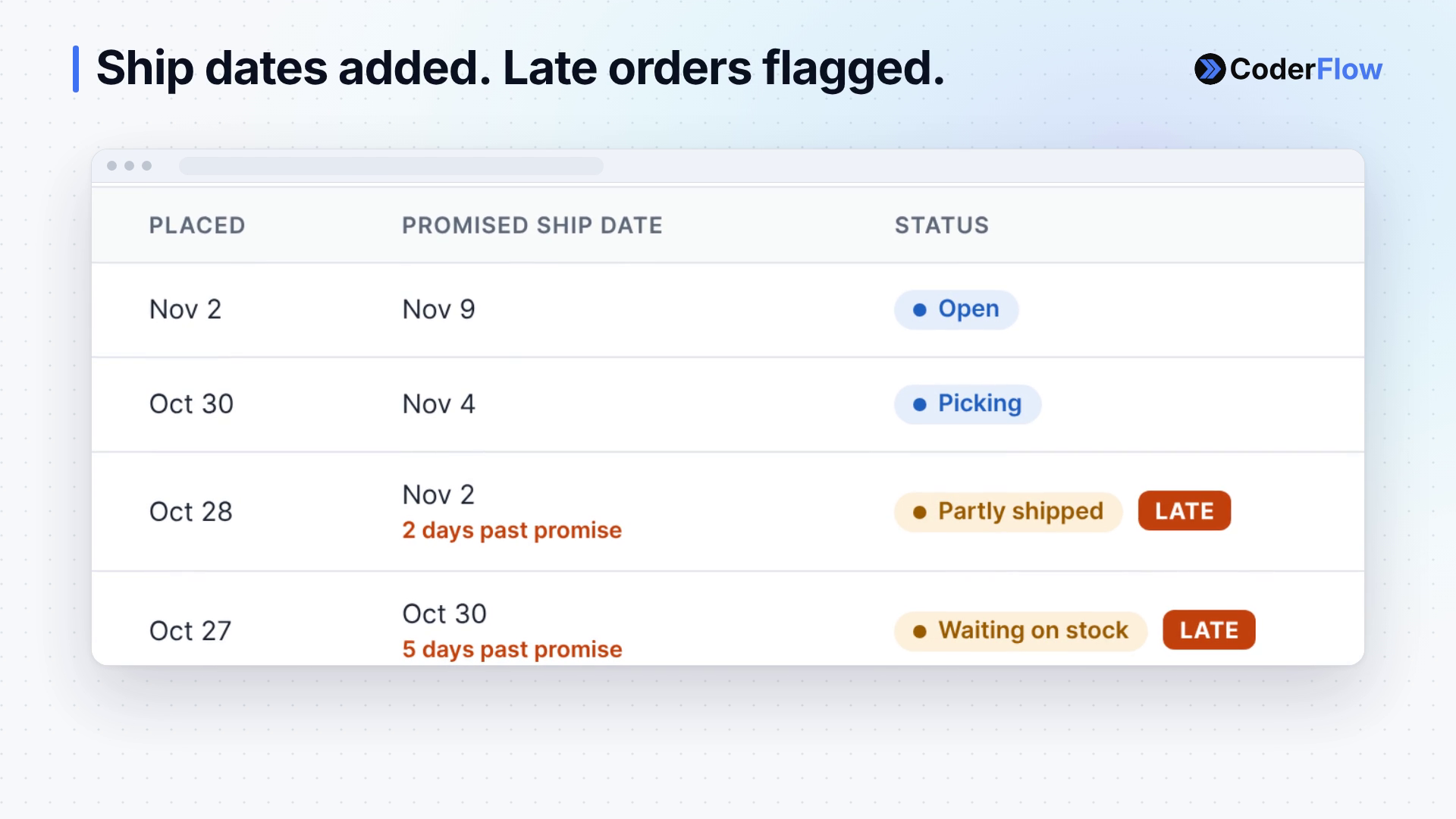
Demonstration data · Fictional company
Transcript: Agentic coding in CoderFlow
[IT's request queue: REQ-000142 from sales, "Customers can't see promised ship dates in the customer portal, so they call us to ask."]
Customers can’t see when their orders will ship, so sales asked IT for a fix.
[One task for the customer portal, sent to three AI agents: Claude, Gemini and Codex.]
So IT hands it to Claude, Gemini and Codex, all at once.
[All three runs completed, each with a browser screenshot of the Orders page.]
Each one builds it in its own container and tests it in the browser.
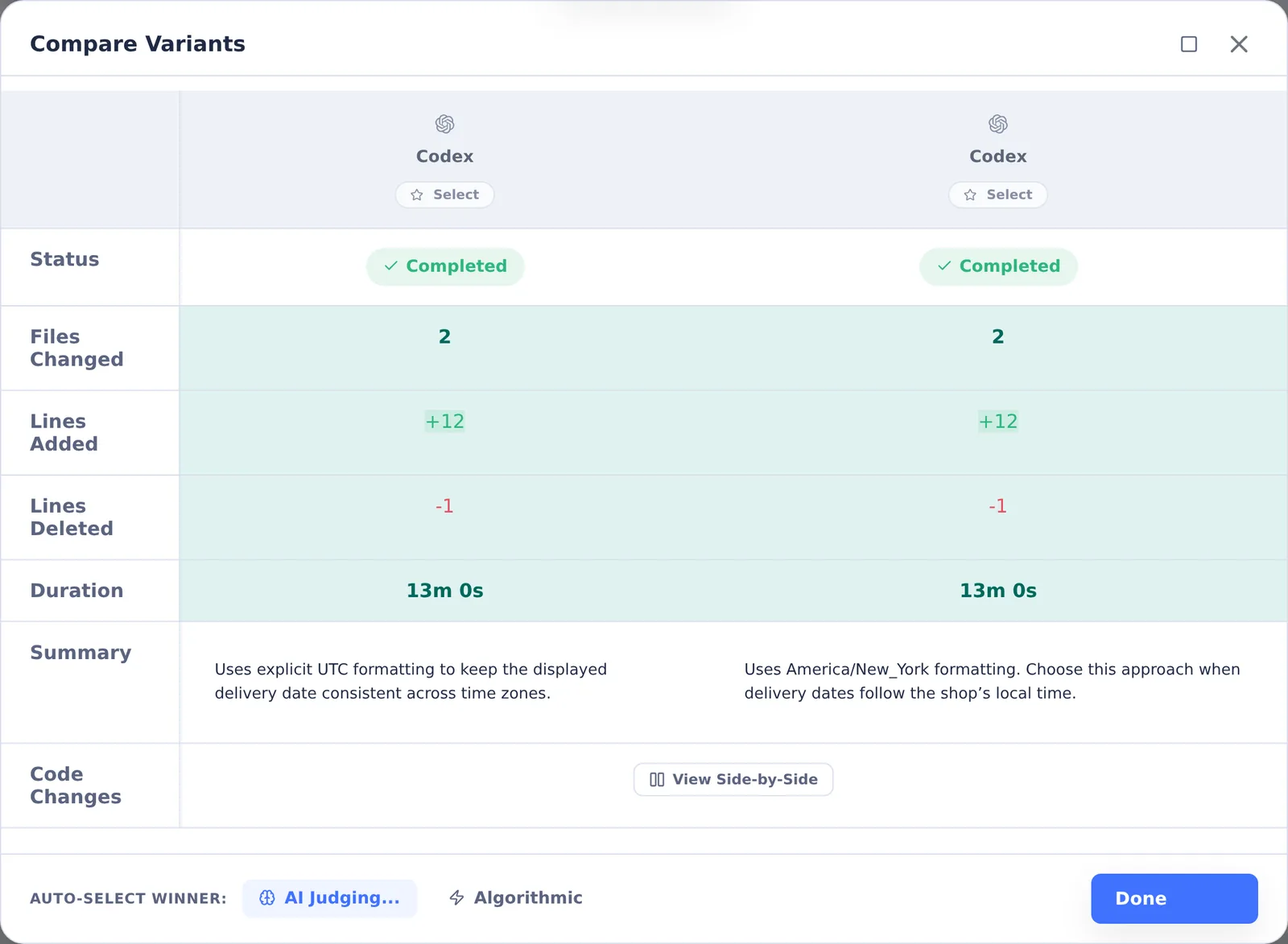
[Compare Variants: lines added +19, +21 and +102; durations 20, 24 and 28 minutes.]
Side by side, Claude finished first, with the smallest change — but first isn’t the same as right.
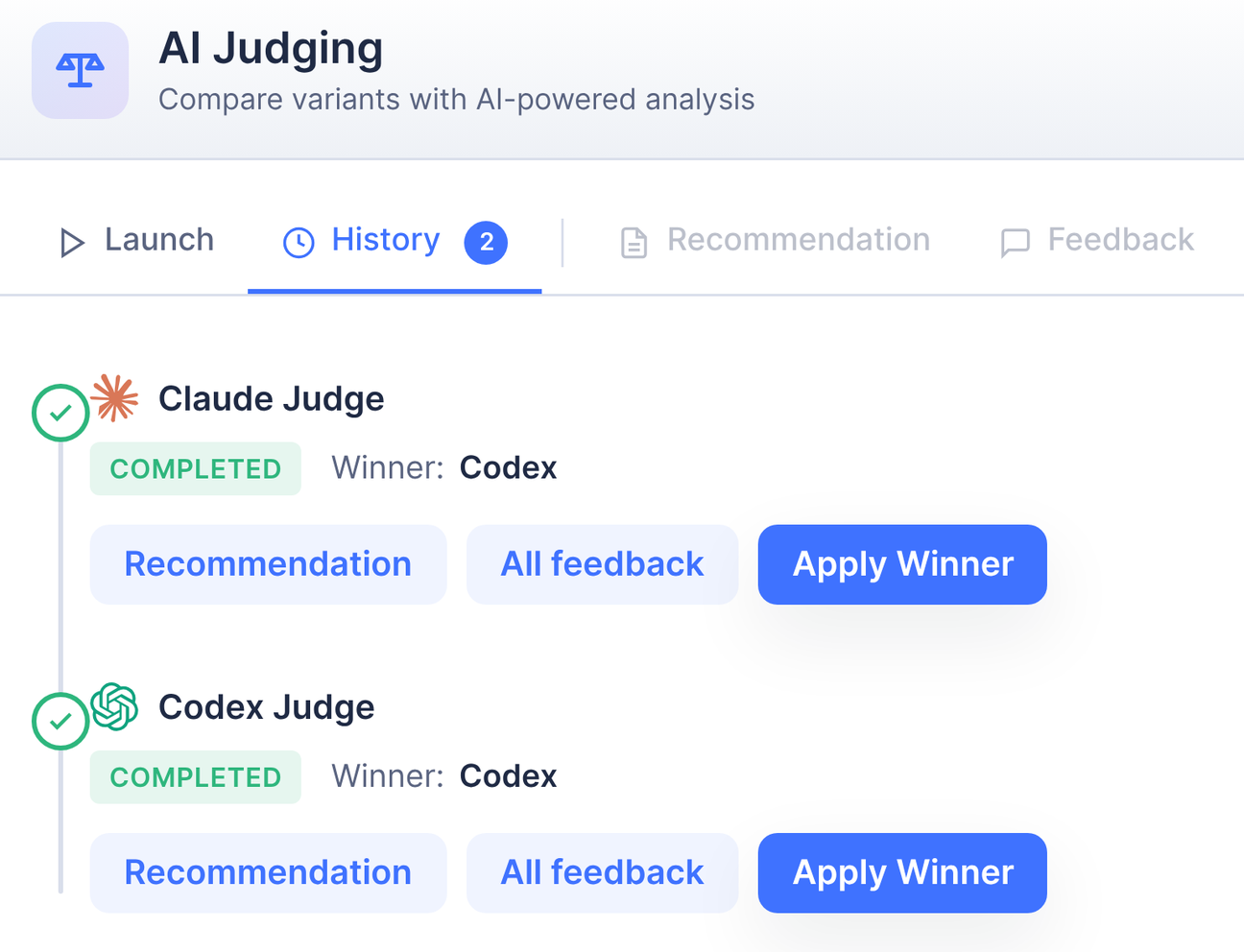
[Two AI judges, Claude and Codex, judged the runs blind; both recommend Codex's version.]
Then two AI judges read the work blind, and both pick Codex’s version,
[Claude's screenshot: Late badges on orders that already shipped or were delivered.]
because Claude’s version marked shipped orders as late,
[The judge's analysis: Gemini's version reads dates as UTC midnight, so every promised date shows a day early in the Americas.]
and Gemini’s version showed dates a day early.
[IT applies the winner, Codex's version.]
So IT applies Codex’s version,
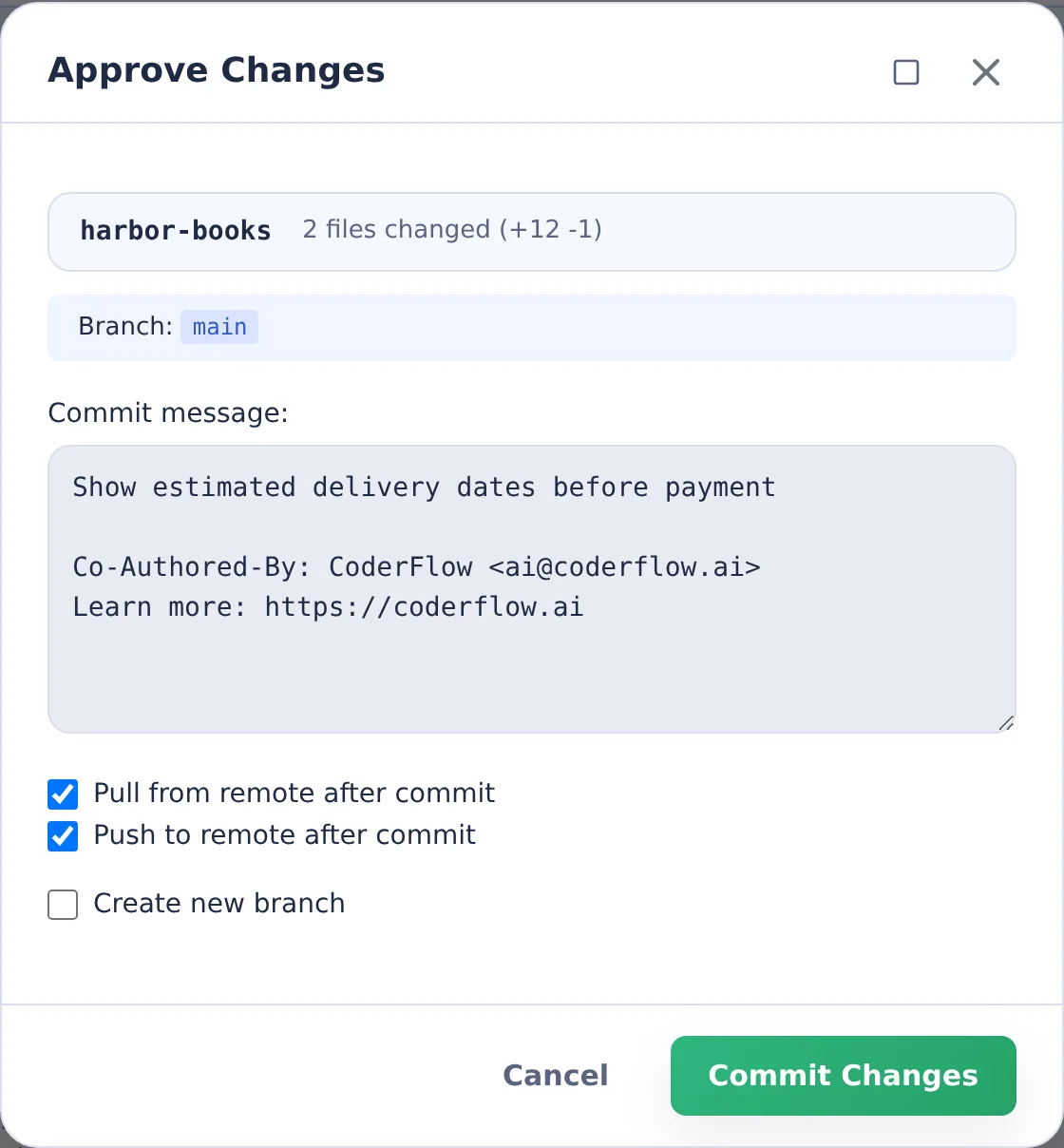
[IT approves the change: Approved.]
then approves it — committed and pushed,
[Before: the Orders page without promised ship dates.]
and the Orders page, which showed no ship dates,
[After: each order shows its promised ship date, and only the two late orders show Late.]
now shows each promised date, and only late orders get the badge.
[End card: CoderFlow logo, "Hand off the change. Review the result.", "Talk to sales" and "Start with Reimagine", and the disclosure.]
In short: hand off the change, review the result, and keep the final say.
Everything Around the Code, Handled
CoderFlow runs your agents end to end in an environment set up like yours: they make the change, build, test and fix failures. The result arrives with its evidence for the people who approve it.
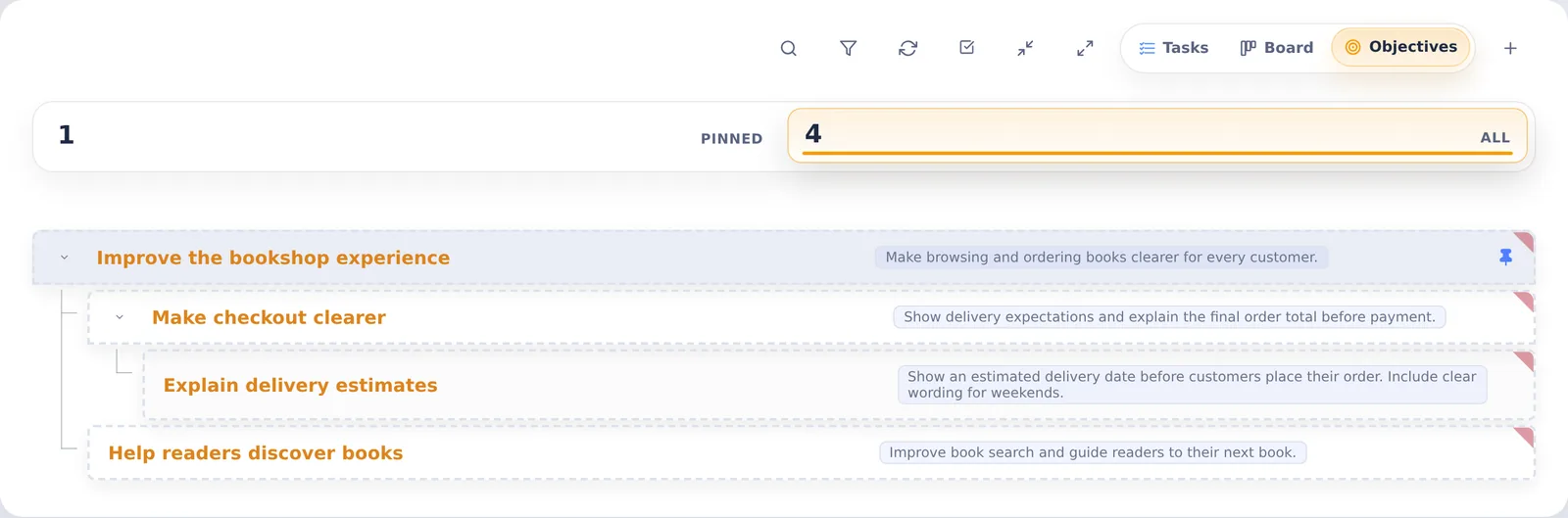
Parallel Agents, Judged for You
Send the same task to several agents, each in its own container. AI judges compare the anonymized results and recommend a winner.
Review Until It Passes
Feedback goes back to the agent automatically until the work passes review. You see exactly what each agent was told and everything it did.
Humans Approve Every Change
Approve as a commit, branch or pull request with an AI-written commit message. Nothing ships without review.
The Work After the Code.
Agents write code faster than most teams can review, test and release it. CoderFlow closes these gaps.
Review Piles Up
Each change arrives with its tests, screens and diff, and AI judges compare attempts first.
Testing on Someone's Machine
Agents test in a container set up like your environment, with your repositories, tools and test data.
No Record of Which Agent Did What
Every task records the request, the agent, its instructions, the evidence and the approver.
Release Is a Separate Step
IT defines the deployment steps for each environment. Running them takes permission, and every run is recorded.
A Different Tool for Each Team
One platform and one set of controls for every agent vendor, team and use case.
The Business Can't See or Ask
Business users follow the work and send IT Requests with the screen and context attached.
Works With the Systems You Run
Try It Yourself.
Get hands-on with the real CoderFlow app and sample data, in about 4 minutes. Nothing touches real code.
Everything to Explore →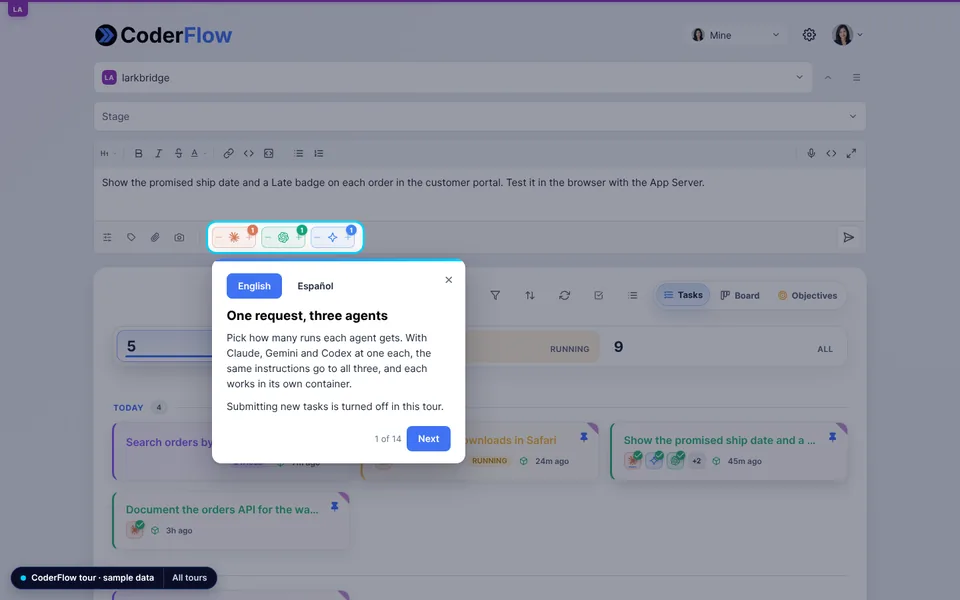
Questions
How Is CoderFlow Agentic Coding Different From an AI Coding Assistant?
CoderFlow runs coding agents such as Claude Code and Codex and handles everything after the code: per-task containers, parallel attempts compared by AI judges, human approval and a record of every step. One set of controls covers every agent your teams use.
Which AI Agents and Models Does CoderFlow Support?
CoderFlow supports Claude (Anthropic), Codex (OpenAI), Gemini (Google), Bob (IBM), Grok (xAI) and Kimi (Moonshot AI), plus custom endpoints such as Amazon Bedrock and Azure OpenAI. IT decides which provider accounts agents can use.
Can CoderFlow Agents Work on Older Code Like COBOL or VB6?
CoderFlow agents read, explain and change any text-based source, and build and test it where the toolchain runs on Linux or on a remote build host over SSH. For Windows-only toolchains such as VB6, agents prepare the changes and your team or a connected build machine builds them.
How Do Parallel Agents and AI Judges Work in CoderFlow?
You can launch up to 5 containers per agent for the same task, across several agents. An AI judge compares the anonymized variants, recommends a winner and explains why, and review mode can keep sending feedback until the work passes.
Do Humans Still Approve Every Change a CoderFlow Agent Makes?
A person reviews the diff, test output and screenshots, then approves the work as a commit, branch or pull request on GitHub or Azure DevOps. CoderFlow records who approved and when, and agents never ship on their own.
Hand Off Your Next Change to an Agent.
Talk to sales about your systems, or start with a Reimagine engagement.