
Organizations running custom systems should plan for developer retirement now, while veterans are still around to help. That means capturing the knowledge that lives only in their heads, and changing what a smaller team can accomplish. AI agents help with both: they document programs and business rules for veterans to review, and they take on the build, test and fix work.
What Actually Walks out the Door
The headline risk is headcount, but what really leaves is knowledge that was never written down. The pricing module one person has maintained for years, and the three things you must never touch. The nightly batch job that runs cleanly because its author kept every edge case in their head.
This is not a failure of planning. These systems were stable and maintained by the same small team for decades, and that concentration of knowledge is now a risk.
The Pipeline Is Not Coming
COBOL, Oracle Forms and Synergy DBL are rarely taught in universities, and the communities around them are aging along with the systems. Fewer people gain deep expertise each year than retire. The gap is structural, not cyclical.
What Most Organizations Are Doing
Some try to hire and find the pool thin and expensive. Some ask experts to stay past retirement, start costly projects to move off the platform, or wait until a departure forces the issue. None of these changes the underlying math.
What Agentic Coding Changes
Agentic coding does not replace retiring developers. It changes what a smaller team can accomplish, and makes it practical to capture knowledge before it leaves.
Documentation Comes First
CoderFlow agents analyze programs, identify embedded business rules, map dependencies and write documentation for technical and business readers, while the people who know the system can still review it. See documentation and system knowledge.
Smaller Teams Deliver More
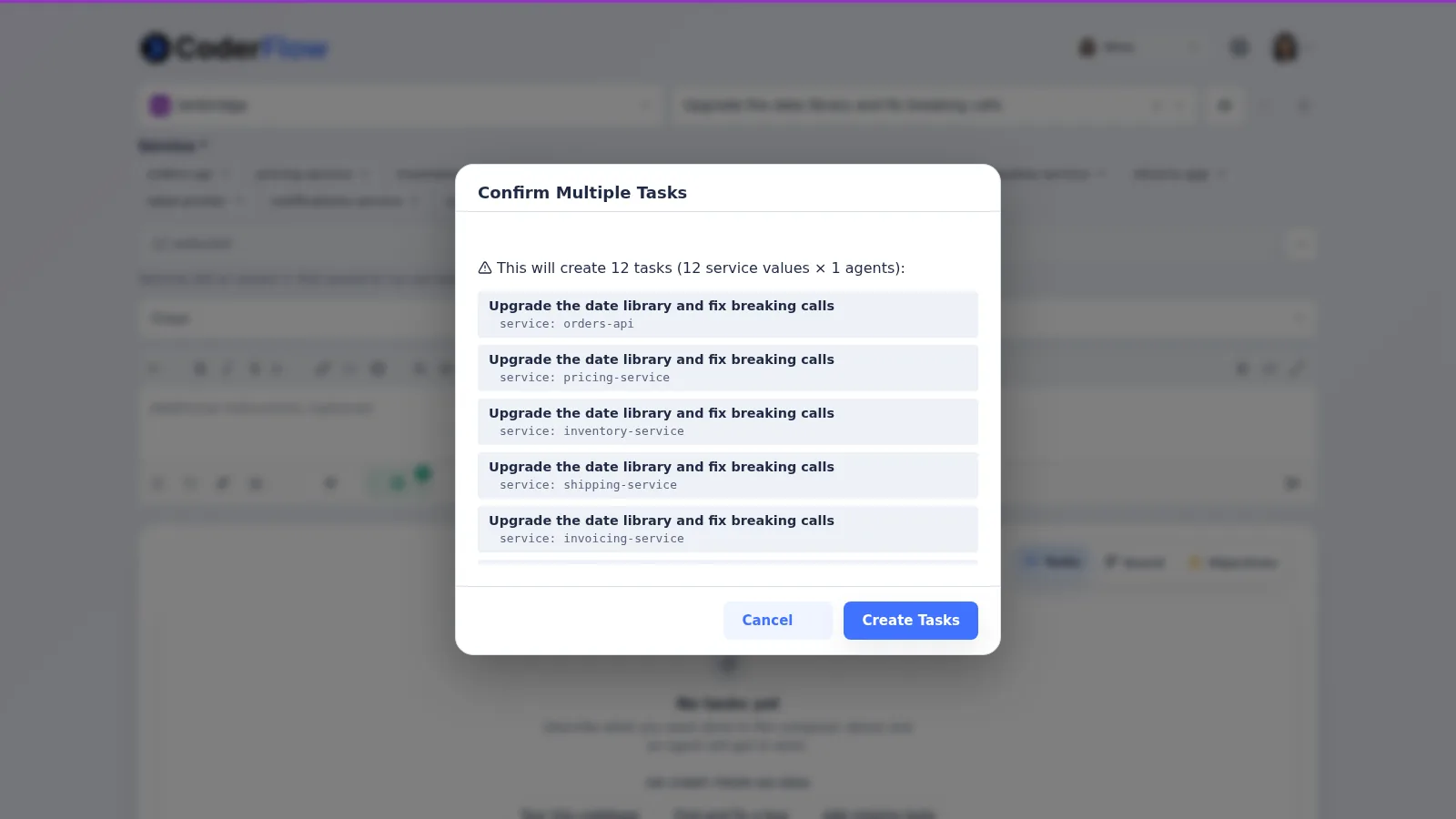
When agents run the build, test and fix loop, several programs can be worked on in parallel, and the constraint shifts from developer hours to review capacity. Customers report 5 to 10x developer productivity. Where your toolchain is available, agents build and test changes themselves; otherwise they prepare changes your team builds and tests.
Time-Sensitive Work Moves Faster
Refactoring older code, moving data access to SQL and reimagining screens often involve programs only one or two people understand. Agents make it realistic to work through them at the pace the urgency demands, with humans approving every change.
The Window Is Narrowing
The question is not whether experienced developers will retire. They will. The question is whether their knowledge can be preserved while they can still validate documentation and review agent output.
Start by assessing where your knowledge is most concentrated. Talk to sales or start with a Reimagine engagement.
Questions
What Happens When the Last Developer Who Knows Our Custom System Retires?
CoderFlow agents can document programs, business rules and dependencies while that developer can still review them, and the corrections become documentation, skills and environment memory the organization keeps. Without that, the knowledge leaves with them and every later change gets slower and riskier.
Can AI Document Older Code Like COBOL, PowerBuilder or Natural?
CoderFlow agents analyze programs, identify embedded business rules, map dependencies and write documentation for technical and business readers, with diagrams where useful. Your developers review and correct the output.
How Can a Smaller Team on a Custom System Deliver More With CoderFlow?
CoderFlow agents run the build, test and fix loop in isolated containers, several tasks at once, while experienced developers review and approve the results. Customers report 5 to 10x developer productivity, and one completed 14 months of work in about 2.