
The right AI model for your codebase depends on the task, and the choice of model should stay with you, not the vendor. Models differ in how well they reason through long dependency chains, how they handle less common languages, and how they balance speed against cost. A platform that lets you see, compare and change which model handles each task gives you better results today and keeps your options open.
No Single Model Is Best at Everything
Large language models are not interchangeable, even within one vendor's lineup. Some reason well through long, tangled dependency chains, others are faster and cheaper for well-defined tasks, and some stumble on niche language features.
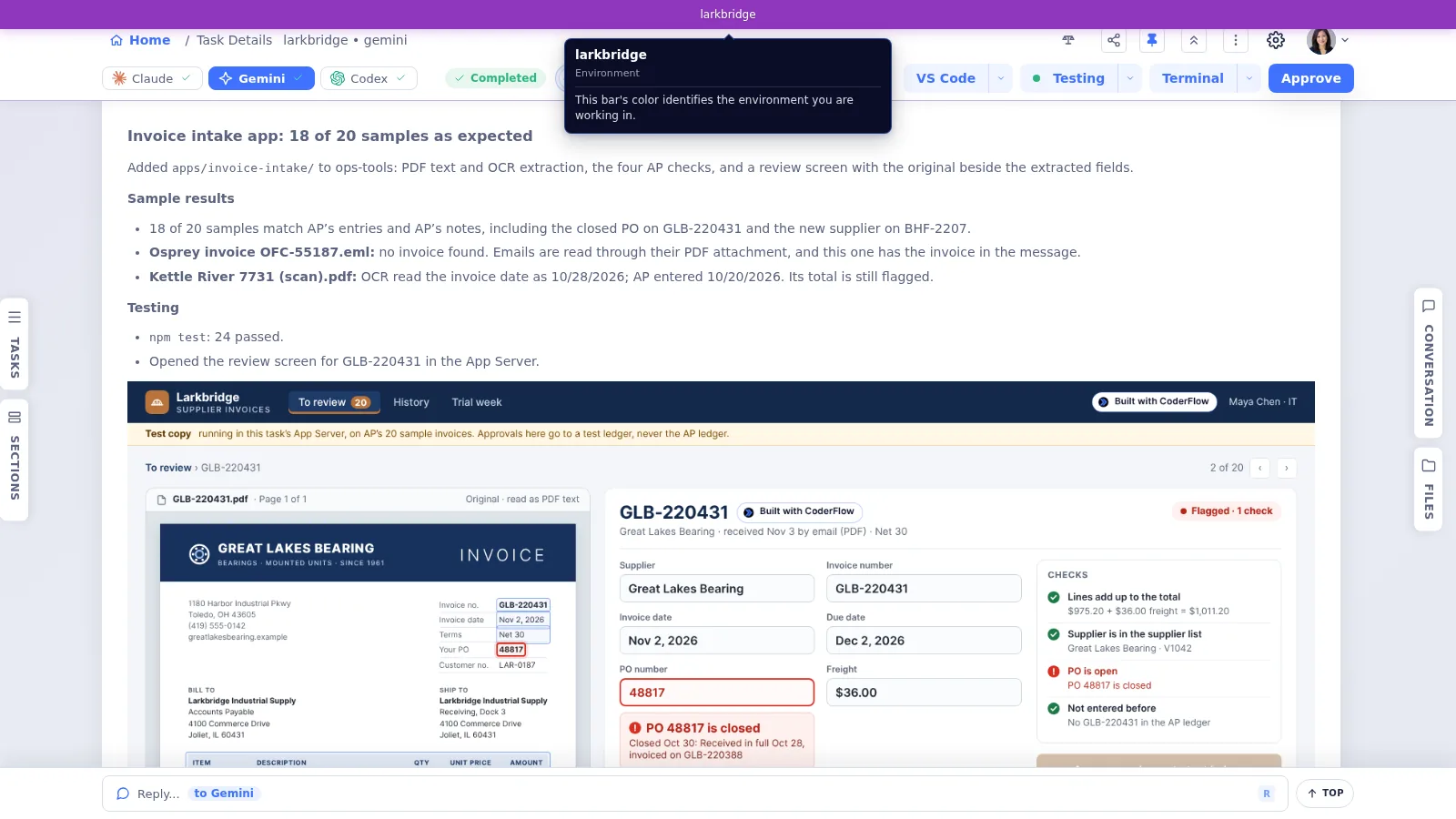
COBOL, PowerBuilder's PowerScript, Progress ABL and MultiValue BASIC appear far less often in public code than Python or JavaScript, so model performance on them is uneven. If your AI strategy is built around one model, you accept its blind spots on every task.
The Catch With Automatic Routing
Many AI coding platforms route each task to a model by their own internal logic. That's convenient for teams without time to evaluate models, but when you can't see or override the decision, you're trusting the routing on every task. For the business logic that keeps your core operations running, that's worth questioning.
What It Costs When the Choice Is Made for You
- You can't compare output before committing, so a misread business rule shows up later, in production.
- You inherit the vendor's roadmap. If it changes, retires or reprices models behind the scenes, your results change without you changing anything.
- You can't enforce your own data rules about which models may see certain data.
- You lose the chance to learn which models perform best on your own applications.
Keeping the Choice in Your Hands
CoderFlow treats the model as a configuration choice. You can run a task on Claude, Gemini, OpenAI's models or other supported options, including self-hosted open-source models on your own infrastructure, and Auto model selection routes by a documented tier table you can see and override.
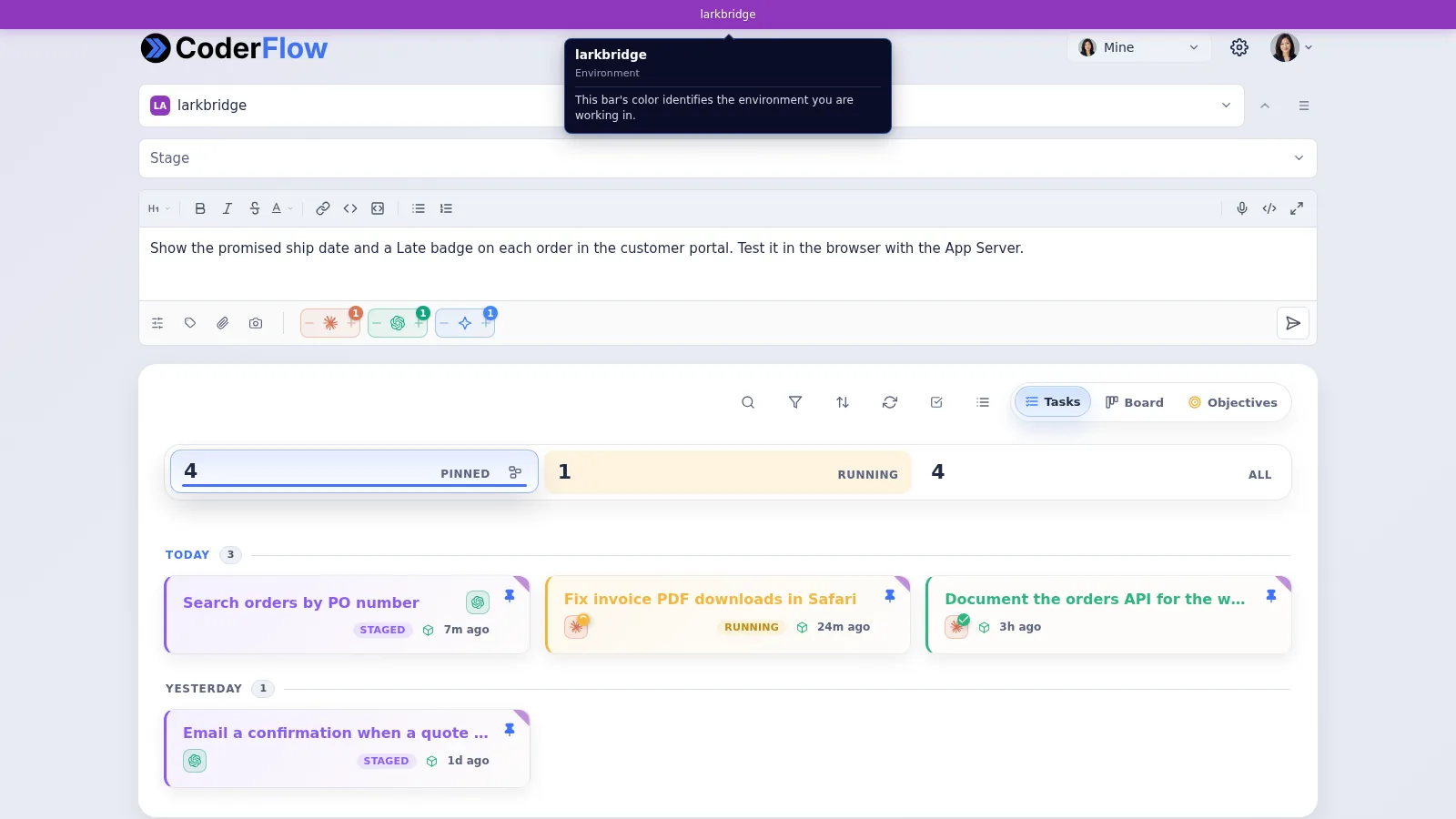
Judging agents can run competing models on the same task, evaluate the outputs against standards you define and recommend the strongest, while you make the final call. When self-hosted, agent execution stays inside your infrastructure (see our security page). Over time, you learn which models work best on your batch jobs, screens and documentation work.
Questions to Ask Any AI Coding Platform
If you're evaluating AI tools for the systems that run your business, ask:
- Can you see which model handled a given task, or only the output?
- Can you compare two models on the same input before deciding which result to trust?
- Can you change your answer later without re-architecting your AI strategy?
- Can the platform honor your data residency or governance requirements today?
Want to see model choice side by side on your own code? Talk to sales or start with a Reimagine engagement.
Questions
Which AI Model Is Best for COBOL or Other Less Common Languages?
CoderFlow lets you run the same task on Claude, Codex, Gemini and other agents in parallel, have AI judges compare the results, and learn which models perform best on your own code. No single model is best at every task, and results vary by language and type of work.
Is Automatic AI Model Routing Safe for Business-Critical Code?
CoderFlow's automatic model selection, for Claude and Codex, rates each task low, medium or high complexity and runs it on that tier's model, and you can pick a specific model for any task. Every result still goes through human approval before it is committed.
Can CoderFlow Use Self-Hosted AI Models for Data Residency Requirements?
CoderFlow connects to self-hosted models through LM Studio or a LiteLLM proxy in front of vLLM or Ollama, and to Amazon Bedrock, Azure OpenAI and compatible gateways. IT controls which provider accounts exist, and many teams pair local models with commercial ones for harder tasks.