Most teams running custom systems haven't started with AI because no first move feels safe: every application seems mission-critical, the tools keep changing and nobody has defined what "doing AI" means. The way out is a first step small enough that those worries don't apply yet. Have AI agents document one well-understood program, read-only, and have a senior developer judge the result.
If your team maintains COBOL, PowerBuilder or custom .NET and Java systems and hasn't started yet, you are in the majority.
Why the Concern Is Rising So Fast
AI coding agents have moved from demos to real work, and platform vendors are building connectors for them. When the companies behind your platforms build for AI, "wait and see" gets harder to defend. This is happening whether or not your organization has started.
What Is Actually Freezing Most Teams
- The stakes feel too high. When every application feels critical, there is no obvious place to experiment.
- Nobody wants to bet on the wrong tool. AI coding tools have changed quickly.
- Vendor lock-in is a specific worry. Tying decades of core logic to one AI vendor's roadmap and pricing is a real risk.
- There is no internal AI experience.
- The scope is undefined. "Get started with AI" is not a task anyone can plan.
These are the right instincts for systems that cannot fail. Left alone, though, they turn into another year of no decision.
What Breaks the Freeze
Teams that get unstuck choose a first step small enough that most concerns don't apply yet.
Start With Something That Cannot Break Production
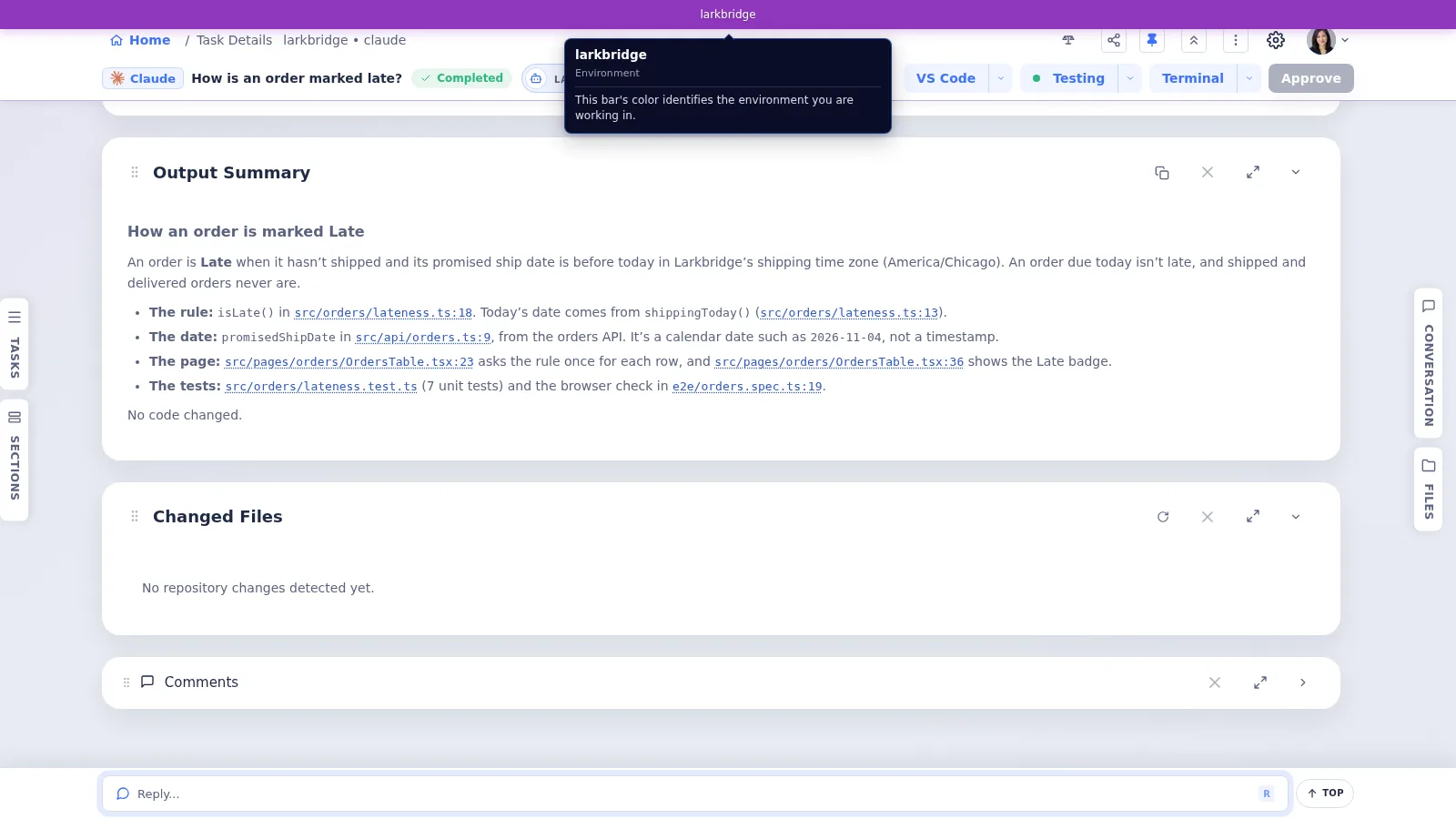
The lowest-risk AI work is understanding code, not changing it. Documentation, dependency mapping and explaining what a program does are read-only, so nothing gets deployed. See documentation and system knowledge.
Pick One Contained, Well-Understood Program
Choose a program a senior developer knows well enough to judge the output, not the core order engine.
Define Success Before You Start
A simple bar works: does this documentation match what our senior developer would have written? Review everything on the first project, and it earns the trust that makes the second one bigger.
Treat Model Choice as a Decision You Can Revisit
Pick a starting point that doesn't commit your whole AI strategy to one company.
Where CoderFlow Fits as the First Step
Point CoderFlow's agents at a single COBOL, Visual FoxPro or .NET program, ask them to map its dependencies and document its business logic, then review the result against your pass or fail bar.
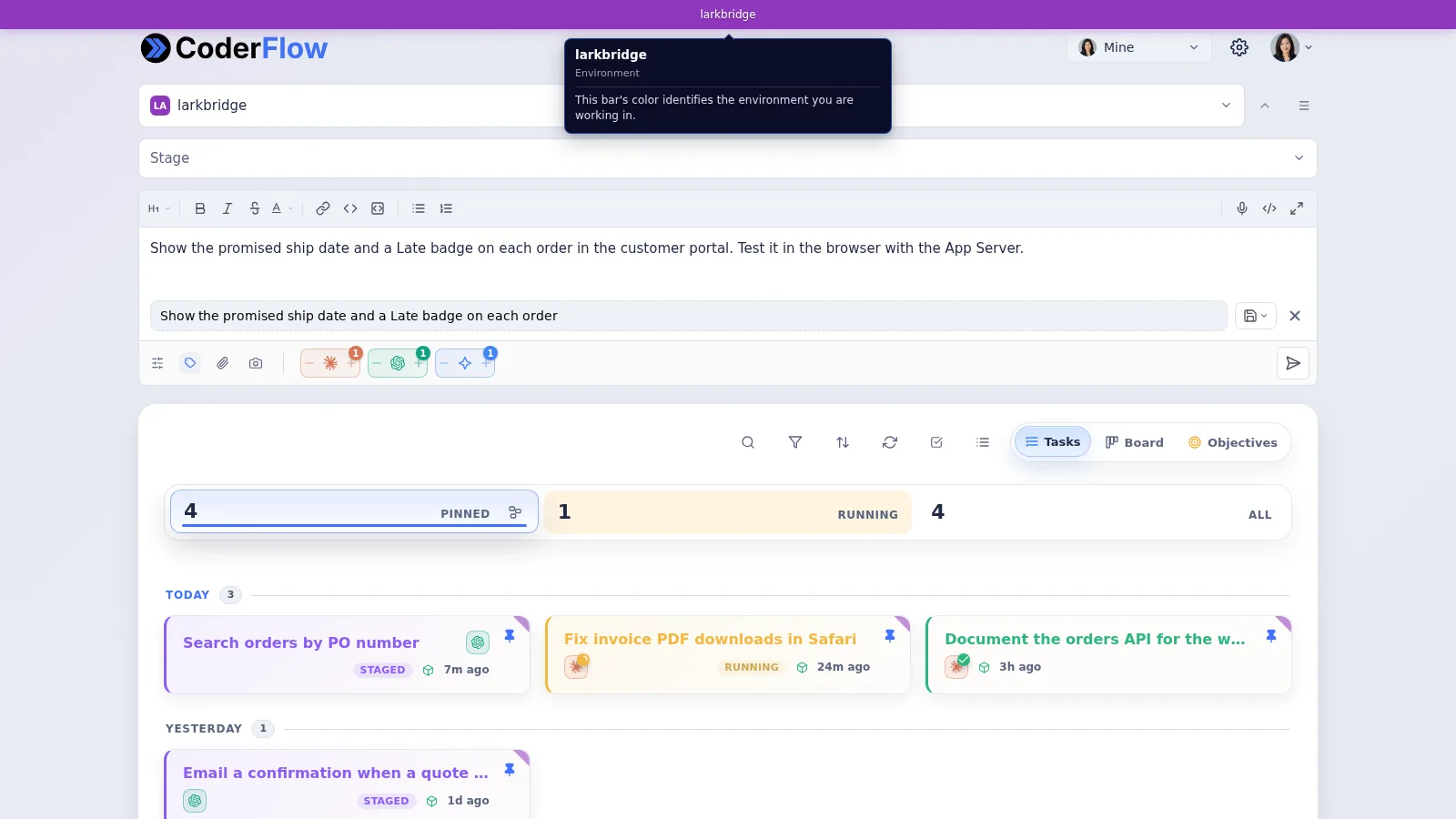
CoderFlow is not tied to one AI model. Run the same task on Claude, OpenAI, Google Gemini or a self-hosted model, compare the results and choose what performs best on your code. CoderFlow can run inside your own infrastructure (see how CoderFlow keeps your code in your control), or Profound Logic can host it on CoderFlow Cloud.
Want to talk through a first, low-risk AI project? Talk to sales.
Questions
What Is a Good First AI Project for a Team Running Custom Systems?
CoderFlow agents can document one well-understood program, read-only, mapping its dependencies and explaining its business logic, while a senior developer judges the result against a clear bar. Nothing is deployed, so there's no production risk.
How Can a Team Running Custom Systems Avoid AI Vendor Lock-In?
CoderFlow makes the AI agent a setting, supporting Claude, Codex, Gemini, Bob, Grok, Kimi, Amazon Bedrock, Azure OpenAI, compatible gateways and self-hosted models. You can compare agents on the same task and switch defaults later, while your repositories, skills and approval workflow stay unchanged.
Does Our Code Have to Leave Our Network to Use CoderFlow?
CoderFlow self-hosted on your own Linux server keeps your repositories and data on your network, and the code an agent reads goes only to the AI provider IT configured, which can be your own gateway or a self-hosted model. The server still needs outbound internet access for licensing and package registries.